
Why hospitals are turning to robotics
Healthcare systems are under growing pressure to deliver better outcomes while managing staffing constraints, rising demand, and increasing operational complexity. In this environment, the advantages of robots in hospitals are becoming more visible as organizations look for practical ways to improve performance without placing additional strain on existing teams.
These technologies are no longer viewed as experimental. They are increasingly being integrated into day-to-day hospital operations to support consistency, efficiency, and patient care. This reflects a broader recognition of the real-world benefits of robots in hospitals across a wide range of healthcare settings.
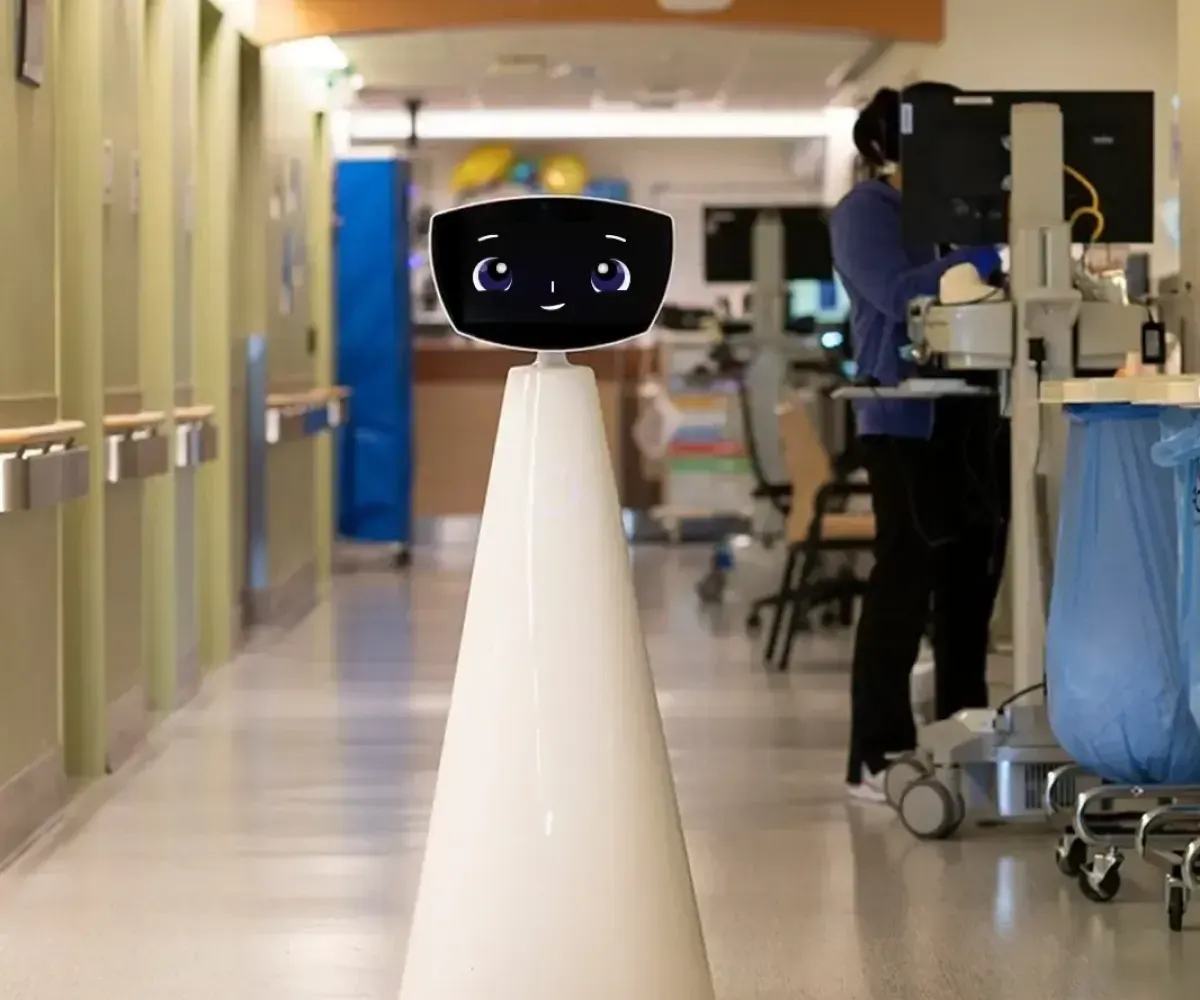
Solutions such as Robin the Robot also show how patient-facing technologies can be introduced into clinical environments without disrupting established workflows, while supporting both care teams and patient experience.
To understand the broader role of robotics in healthcare environments, explore our guide on: Hospital Robots Explained: How Robots Are Transforming Modern Hospitals.
How robotics improves clinical outcomes at scale
As healthcare systems focus on quality, safety, and consistency, robotics is helping hospitals improve clinical performance through more standardized and reliable care delivery.
Standardizing precision across procedures
One of the most important advantages of robotic support is the ability to reduce variability. Human performance can naturally differ across individuals, teams, and shifts, while well-integrated systems help deliver more consistent execution in repeatable processes.
This level of consistency is especially valuable in environments where precision directly influences outcomes. By maintaining stable performance standards, hospitals can support a more uniform level of care across departments.
Reducing complications and clinical risk
Improved control in critical processes can contribute to fewer avoidable complications and more reliable results. In high-pressure healthcare settings, reducing the margin for error is a constant priority. In high-pressure environments, reducing the margin for error is essential. This is where the advantages of using robots in hospitals become especially relevant, as they support more controlled and repeatable execution. Over time, this can support safer workflows and more predictable clinical performance.
Supporting more predictable recovery outcomes
Greater consistency in execution leads to more predictable recovery timelines, improving overall treatment reliability. When care processes are standardized, patient responses also become more consistent. This reflects the broader benefits of robots in hospitals, where stability in execution leads to improved outcome predictability.
How they improve operational flow
As hospitals manage increasing demand and limited resources, robotics is helping streamline operations by reducing delays, improving coordination, and supporting more consistent workflow performance.
Reducing bottlenecks in daily operations
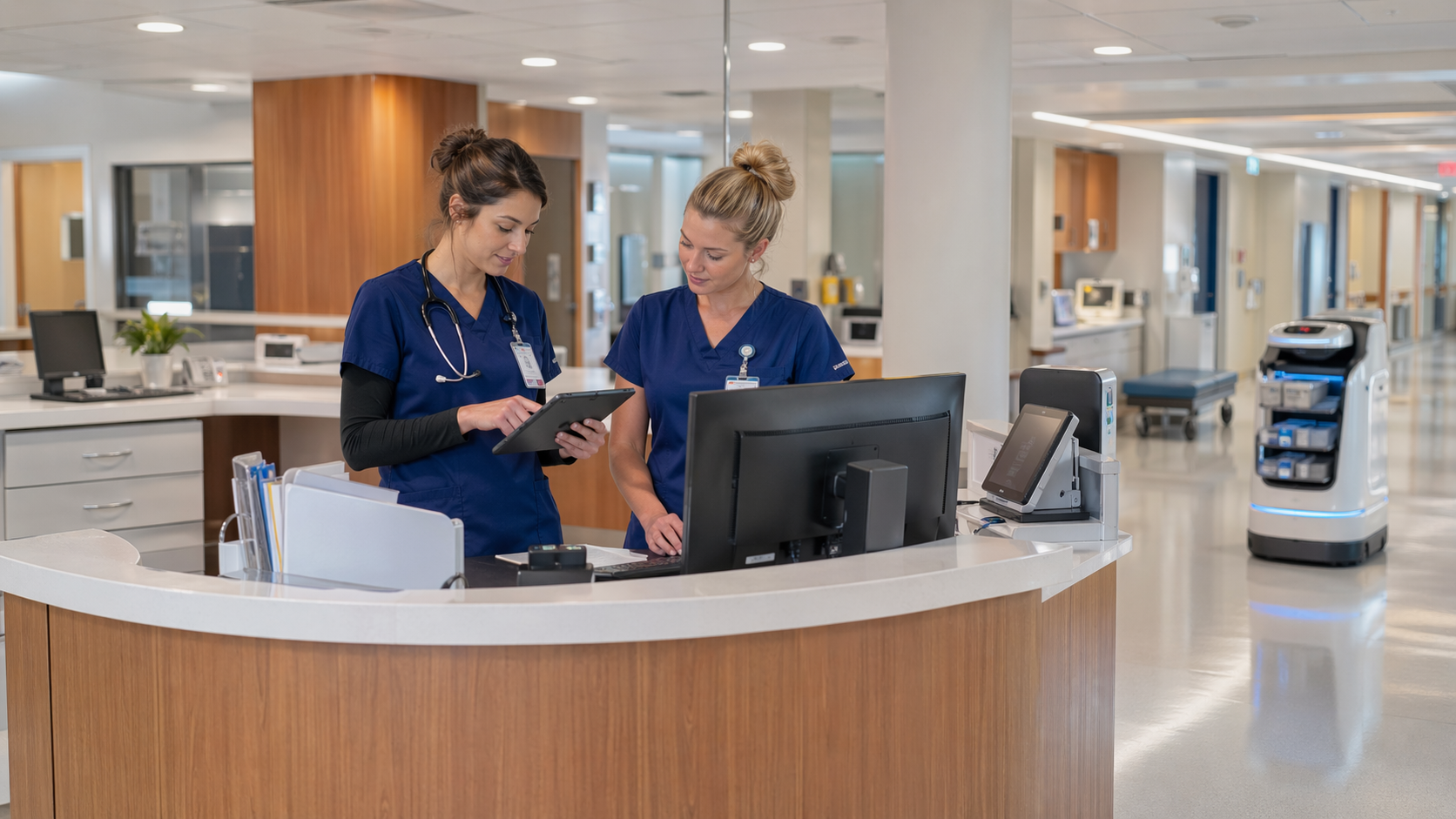
Hospitals depend on smooth coordination between departments, where even small delays can affect multiple stages of care delivery. One of the practical advantages of robots in hospitals is their ability to reduce friction in routine workflows and support more efficient day-to-day operations.
Bottlenecks often emerge from manual handoffs, competing staff priorities, and limited availability during peak periods. By helping streamline repeatable processes, these systems contribute to steadier operational flow.
Improving coordination across departments
Better synchronization between units leads to more efficient operations and fewer disruptions. When timing improves between departments, hospitals can move people, materials, and information more effectively.
This reflects the broader benefits of robotics in hospitals, where stronger coordination helps prevent small delays from becoming larger system-wide inefficiencies.
Enabling continuous, uninterrupted processes
Unlike workflows that rely entirely on human availability, robotic systems can operate continuously, supporting reliability in time-sensitive environments.
This continuity reduces dependence on shift transitions and fatigue-related slowdowns. Over time, it becomes one of the long-term benefits of robots in hospitals, helping create more stable and predictable operational performance.
How they restructure staff workloads
As staffing pressures continue across healthcare systems, robotics is helping hospitals redistribute workloads by reducing routine demands and allowing teams to focus on higher-value responsibilities.
Eliminating repetitive and low-value tasks
A major operational benefit is the reduction of routine, non-clinical tasks that consume valuable staff time. Many of these responsibilities require consistency and repetition rather than clinical judgment.
This is one of the practical advantages of robots in hospitals, allowing healthcare teams to operate more efficiently without increasing overall workload.
Allowing staff to focus on patient care
When repetitive responsibilities are reduced, healthcare professionals can dedicate more time to direct patient care, communication, and higher-value clinical responsibilities.
This shift can support more meaningful patient interactions and stronger decision-making, reflecting the broader benefits of robots in hospitals for care quality.
Impact on burnout and workforce retention
Reducing workload pressure can contribute to more sustainable working conditions and improved staff retention. Healthcare environments often involve high levels of stress, fatigue, and ongoing resource pressure.
Supporting more balanced workloads is one of the long-term advantages of using robots in hospitals, particularly for workforce stability and resilience.
How they enhance patient experience
Beyond efficiency and operations, robotics is also helping hospitals create more supportive, engaging, and patient-centered care environments across a range of clinical settings.
Reducing anxiety in clinical environments
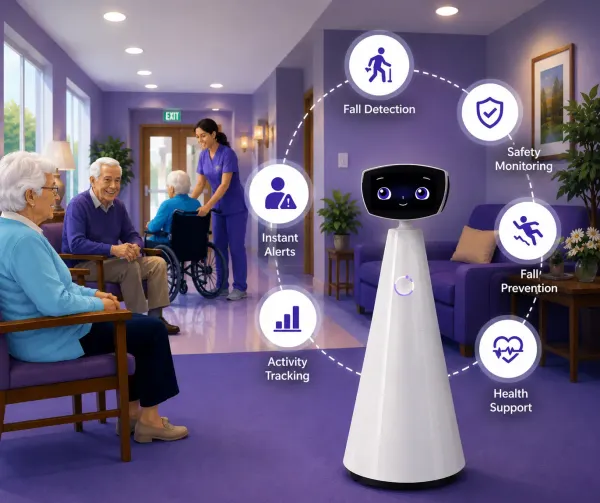
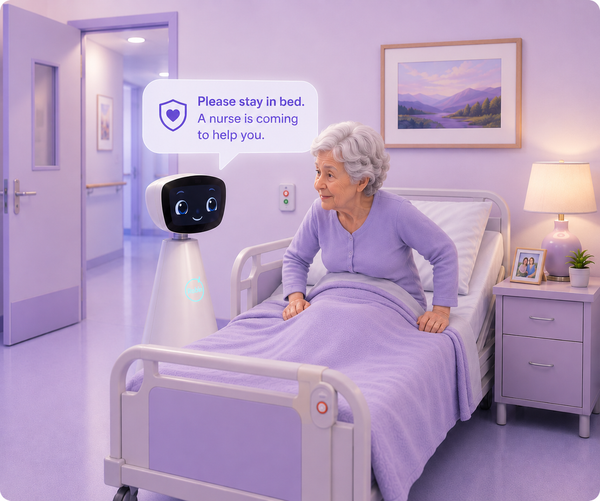
Hospitals can be stressful, especially for vulnerable patients. Patient-facing robotic systems can help create a calmer and more supportive environment by introducing interaction, familiarity, and reassurance during difficult moments.
A more predictable and structured experience often reduces uncertainty for patients and families. This is one of the often-overlooked benefits of robots in hospitals, particularly in sensitive care settings where emotional wellbeing can directly influence cooperation and overall experience.
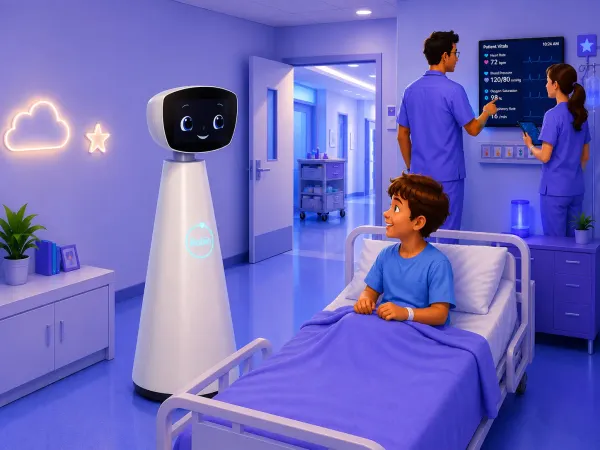
Real-world pediatric deployments have shown how socially assistive robotics can make a measurable difference. You can read more about how Socially Assistive Robotics in Pediatric Care is creating positive outcomes.
At St. Mary’s Hospital for Children in Queens, Robin the Robot has also helped bring comfort and positive distraction to young patients during hospital stays.
Improving communication and engagement
Clearer communication can significantly improve patient cooperation and overall experience. When information is delivered in a more consistent and approachable way, patients are often better able to understand instructions, expectations, and next steps in their care.
This reflects one of the broader advantages of robotics in hospitals - improving interaction quality while helping create smoother communication between patients, families, and care teams.
Supporting vulnerable patient groups
In pediatric and elderly care settings, stronger engagement often leads to better cooperation and smoother care delivery. These patient groups may require additional emotional support, reassurance, or repeated guidance throughout the care process.
Providing consistent interaction is one of the meaningful benefits of robots in hospitals in these contexts. You can explore how this works in practice on our [Children’s Hospital Robot Landing Page].
The emotional impact of these systems can also be significant. Speaking with AP News, a parent described her 6-year-old son’s interaction with Robin the Robot at UMass Memorial Children’s Medical Center during leukemia treatment:
“His face lit up,” she said about the interaction in June in Worcester, Massachusetts. “It was so special because she remembered him.”
For families facing difficult hospital experiences, moments of recognition, comfort, and connection can make a meaningful difference.
How they strengthen infection control
Infection prevention remains a top priority for hospitals, and robotics is helping support cleaner, safer environments through greater consistency, reduced exposure risks, and stronger system-wide hygiene standards.
Increasing consistency in hygiene protocols
Consistency is essential in infection prevention. Robotic systems can help standardize sanitation processes, supporting more reliable execution across patient rooms, surgical areas, and other high-priority environments.
Manual processes may vary due to time pressure, workload, or human factors. This makes standardization one of the practical advantages of robots in hospitals, helping maintain higher hygiene standards over time.
Minimizing human exposure to risk
Reducing direct exposure to high-risk environments can also improve safety for healthcare staff. Certain cleaning, transport, or containment tasks may involve elevated contamination risks.
Limiting unnecessary exposure is another of the important benefits of robots in hospitals, particularly in settings where infection control remains a constant priority.
Supporting system-wide infection prevention
Robotic technologies can reinforce broader safety strategies by helping maintain consistency across multiple departments and care environments.
Infection prevention is most effective when standards are applied reliably throughout the organization. This reflects the wider advantages of robotics in hospitals, where system-wide consistency supports stronger long-term safety outcomes.
How they improve resource efficiency
As hospitals work under growing financial and staffing pressures, robotics is helping organizations use resources more effectively while improving long-term operational performance.
Optimizing human resource utilization
Hospitals can allocate staff more effectively when routine tasks require less manual time and coordination. This allows healthcare professionals to focus on higher-value responsibilities that require clinical expertise, judgment, and direct patient interaction.
This type of optimization reflects one of the broader benefits of robots in hospitals - using limited human resources more strategically.
Reducing operational inefficiencies
Fewer delays and less manual coordination can lead to smoother day-to-day operations. Many inefficiencies emerge from fragmented workflows, repeated handoffs, and time lost on low-value tasks.
Reducing these gaps is one of the measurable advantages of robots in hospitals, helping organizations operate with greater consistency and control.
Balancing investment and long-term performance
While implementation requires upfront investment, long-term efficiency, scalability, and workflow improvements often help justify the cost over time.
As robotic systems become integrated into daily operations, their operational value tends to become more visible. This demonstrates the long-term benefits of robots in hospitals in overall performance and resource management.
Why this matters for decision-makers
For healthcare leaders, robotics is no longer just an innovation topic. It is becoming a strategic tool for solving workforce, capacity, and cost challenges while maintaining quality standards.
Addressing staffing shortages
Workforce constraints remain a major challenge across healthcare systems. Many hospitals must maintain service levels while facing hiring difficulties, burnout, and limited staffing capacity.
This is one of the most strategic advantages of robots in hospitals today - helping organizations support essential operations without increasing staffing requirements at the same pace as demand.

Managing increasing patient demand
Hospitals need scalable solutions to manage growing patient volumes efficiently. As demand rises, maintaining throughput and service quality becomes more difficult without additional support systems.
This reflects the broader benefits of robots in hospitals, where operational scalability can help organizations expand capacity without compromising care standards.
Improving performance under cost pressure
Balancing cost and quality is a constant challenge for healthcare leaders. Hospitals must improve outcomes while controlling labor costs, delays, and operational waste.
This is where the advantages of using robots in hospitals become especially relevant, helping organizations improve efficiency while protecting overall performance.
Conclusion
The advantages of robots in hospitals extend far beyond individual tasks. They represent a broader system-level improvement in how hospitals operate—supporting consistency, efficiency, workforce sustainability, and patient care.
As healthcare organizations face rising demand and increasing complexity, robotic technologies are becoming practical tools for strengthening performance across multiple areas of care delivery.
To see how these benefits translate into real-world applications, explore How Robots Are Used in Hospitals.
For a deeper look at intelligent systems and emerging capabilities, visit our article on AI and Autonomous Robots in Hospitals.