
Hospitalization can disrupt a child’s sense of normalcy. Young patients are dealing with more than medical procedures. They may feel isolated, miss everyday social interactions, and feel unsure about what is happening around them.
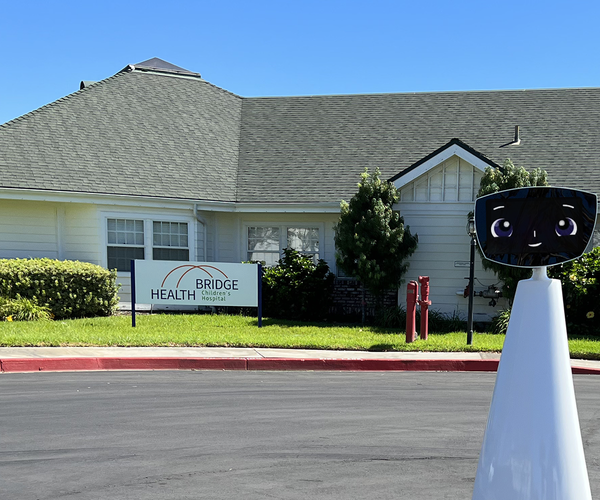
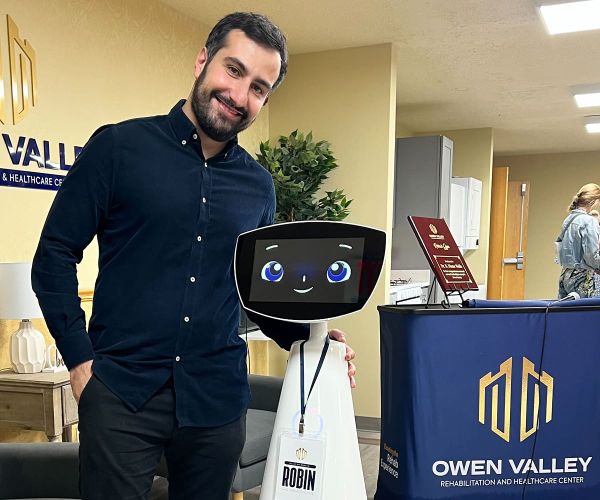
Through the deployment of Robin the Robot, St. Mary’s Hospital for Children explored how socially assistive robotics can support children beyond medical treatment alone.
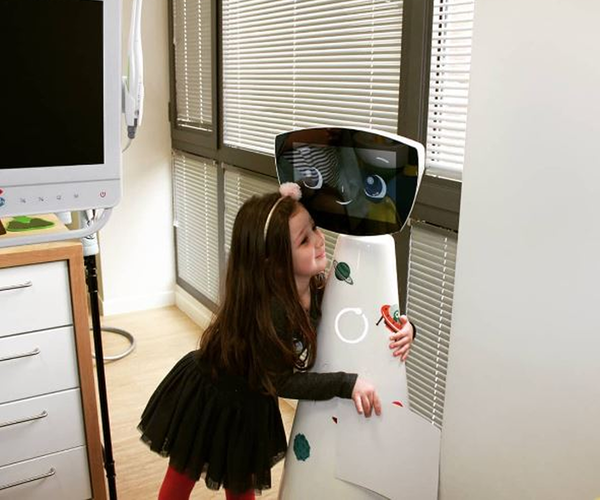
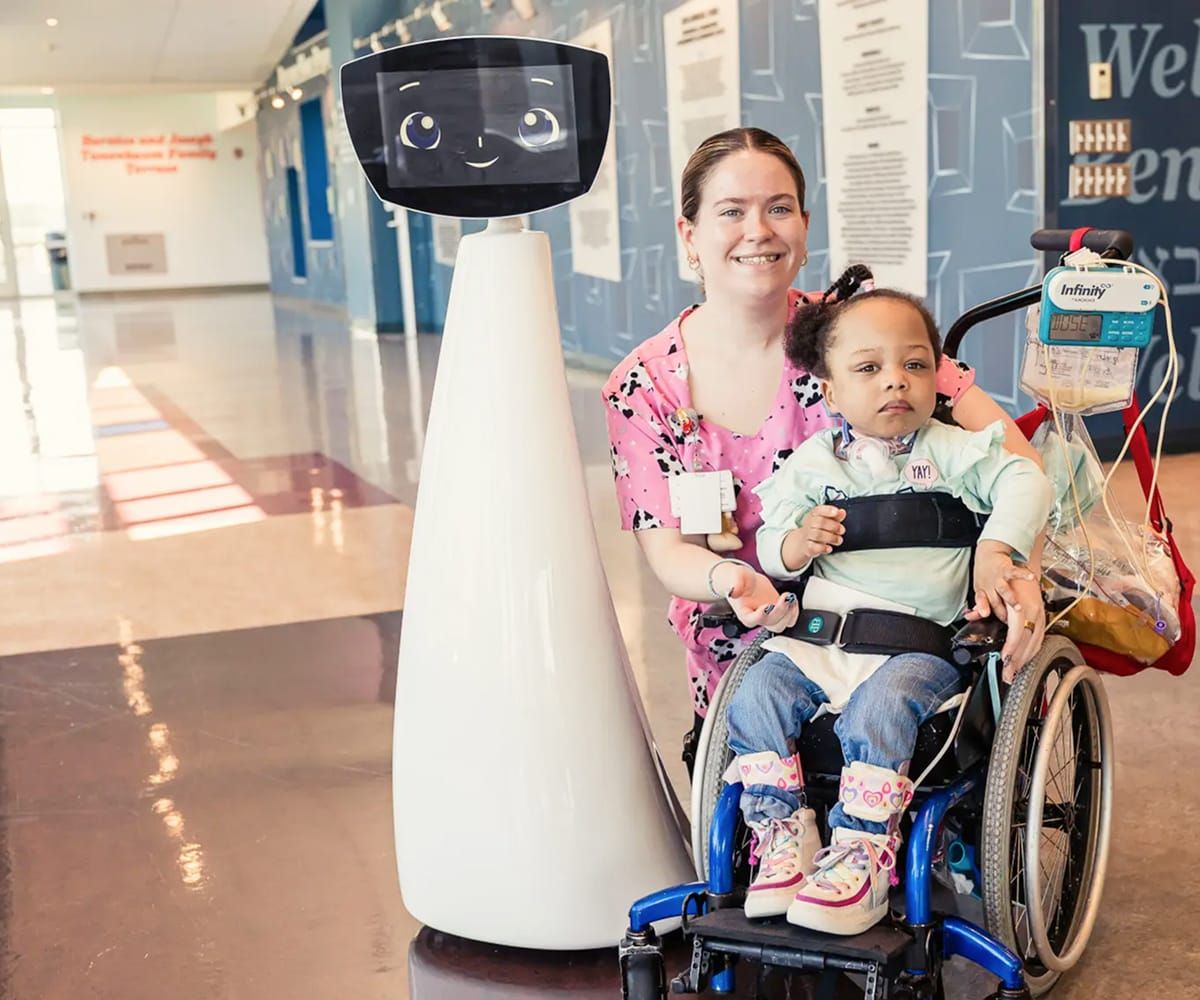
Robin acts as a consistent peer, sharing the hospital experience with the child.
A Socially Assistive Robot Built on Peer Modeling
In pediatric psychology, peer modeling plays a critical role in helping children adapt to stressful situations. This principle shaped the use of a socially assistive robot. The design aims to create a childlike companion instead of a tool or authority figure.
The robot maintains a consistent presence and interacts with children through shared activities, playful conversation, and attentive observation. By responding with calmness and curiosity, Robin helps make the hospital environment feel less intimidating and more understandable for children.
This use of socially assistive robotics emphasizes emotional alignment over instruction.
Want to improve emotional support for pediatric patients in your hospital? Book a call with our team to see how socially assistive robotics can fit into your care model.
Reducing Anxiety in Pediatric Patients Through Continuity
A key challenge in pediatric care is easing anxiety in kids during long hospital stays or multiple visits. A peer-based robot provides continuity. It returns at consistent intervals, helping to build familiarity over time. This is different from short-term distractions.
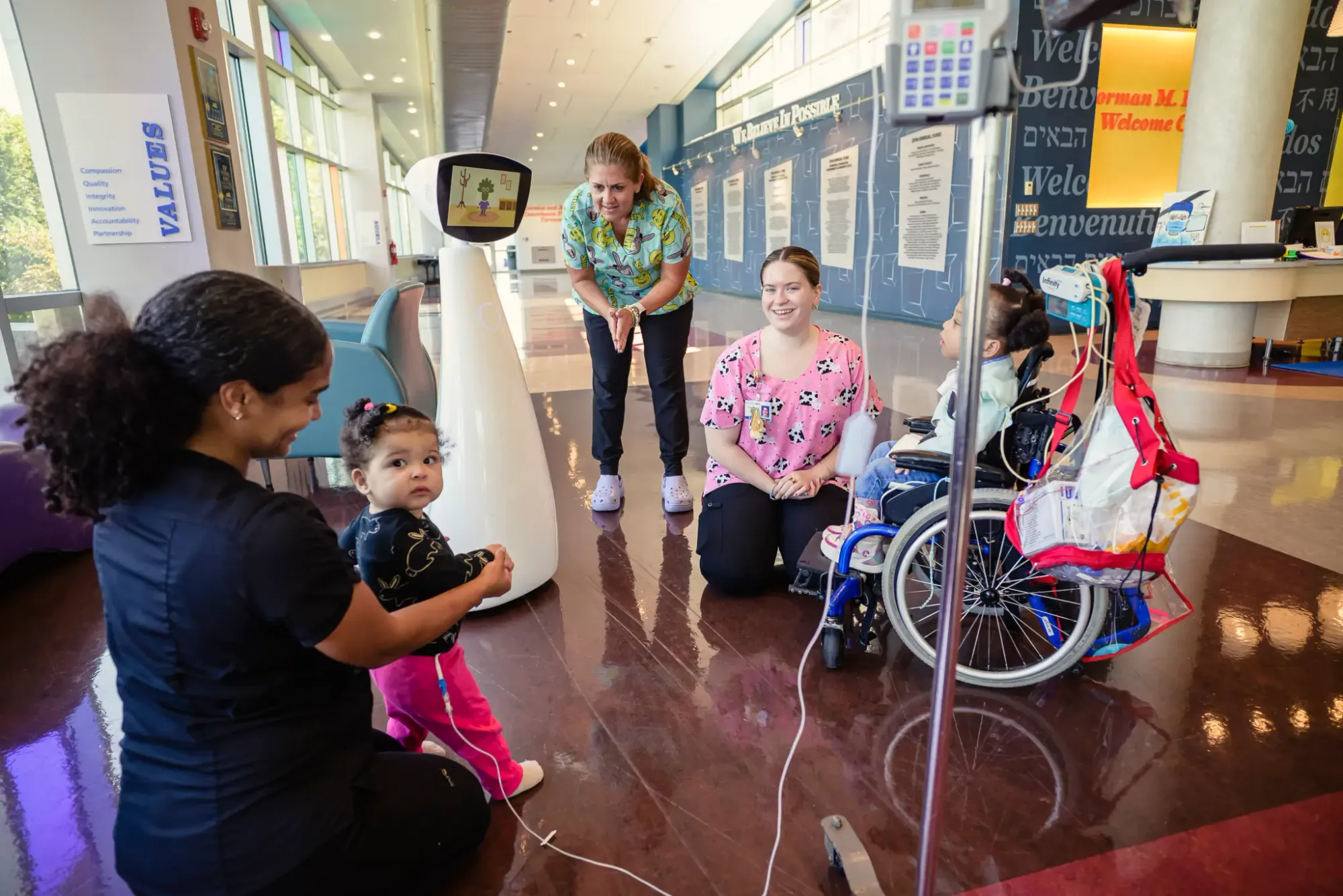
This sustained presence helps:
- Lower anticipatory fear before procedures
- Reduce feelings of loneliness
- Support emotional regulation during treatment
The robot also reacts to non-verbal cues. This allows it to engage with children who might have a limited ability or desire to speak.
Integrating Socially Assistive Robotics into Pediatric Care Workflows
At this hospital, the use of socially assistive robotics was not positioned as a standalone intervention. Instead, Robin was incorporated into existing pediatric care routines to complement clinicians, child life specialists, and rehabilitation staff.
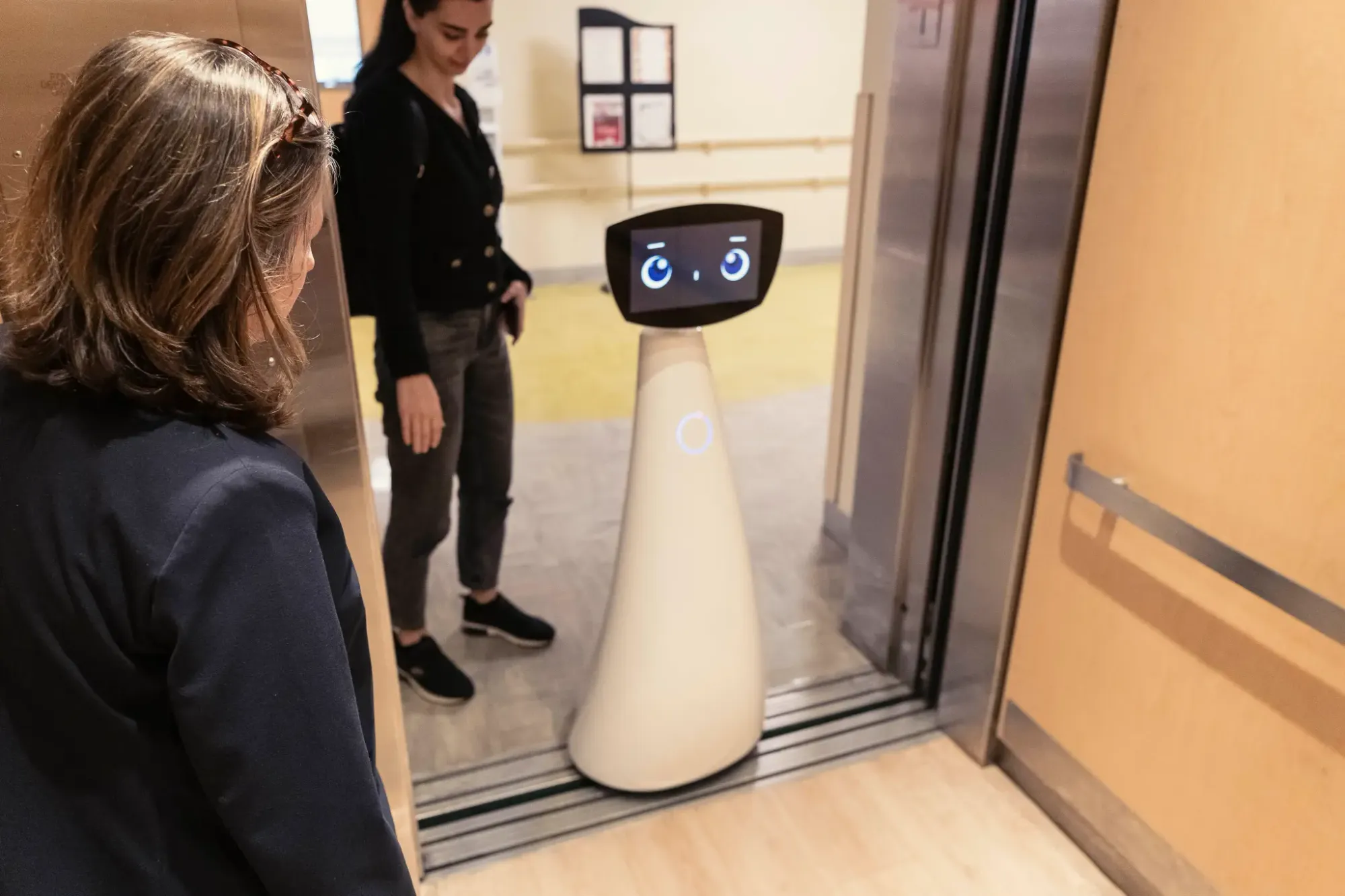
This distinction is critical. Socially assistive robotics in pediatric care must function within clinical workflows rather than outside them. Robin’s interactions were aligned with therapy schedules, recovery milestones, and daily hospital rhythms. By doing so, the robot reinforced therapeutic goals instead of distracting from them.
This approach demonstrates how robots in pediatric hospitals can move beyond entertainment roles and contribute to measurable emotional support. When implemented with clinical oversight, socially assistive robots can reduce anxiety in pediatric patients while maintaining safety, compliance, and therapeutic alignment.
Rethinking the Role of Robots in Pediatric Hospitals
This case demonstrates how socially assistive robotics can extend beyond novelty and into meaningful psychological support. Hospitals can boost care by building peer connections and reducing anxiety in pediatric patients. Using technology helps build emotional strength while keeping the human touch in treatment.
Interested in bringing socially assistive robotics to your pediatric facility? Book a call to explore how pediatric Robin the Robot can support emotional care and reduce anxiety in pediatric patients.