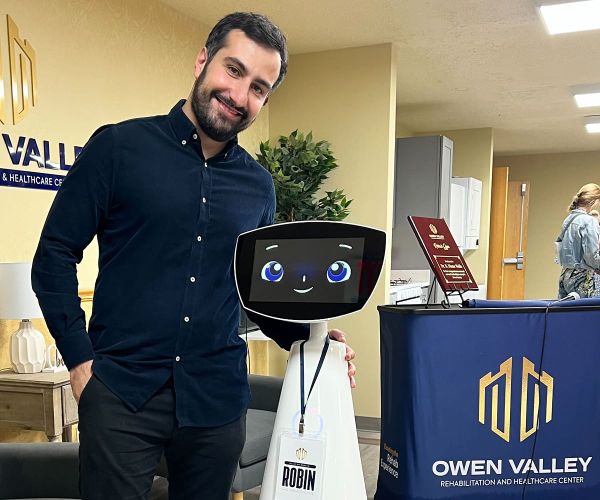

At hospitals, managing the emotional state of children is not optional. Anxiety, distress, and disengagement directly affect how young patients respond to care. For years, hospitals have relied on tablets and screen-based tools to distract and engage children. However, research conducted at UCLA Mattel Children’s Hospital suggests that this approach may be fundamentally limited.
In a controlled comparison, researchers evaluated how Robin the Robot compared to traditional tablet use, examining whether more interactive approaches could deliver better outcomes than standard digital tools.
What they found challenges the current standards.
From Passive Screens to Interactive Engagement
Most engagement tools used in hospitals today are passive. Tablets can display videos or games, but they do not respond to a child’s emotions or behavior in a meaningful way. The interaction is one-directional.
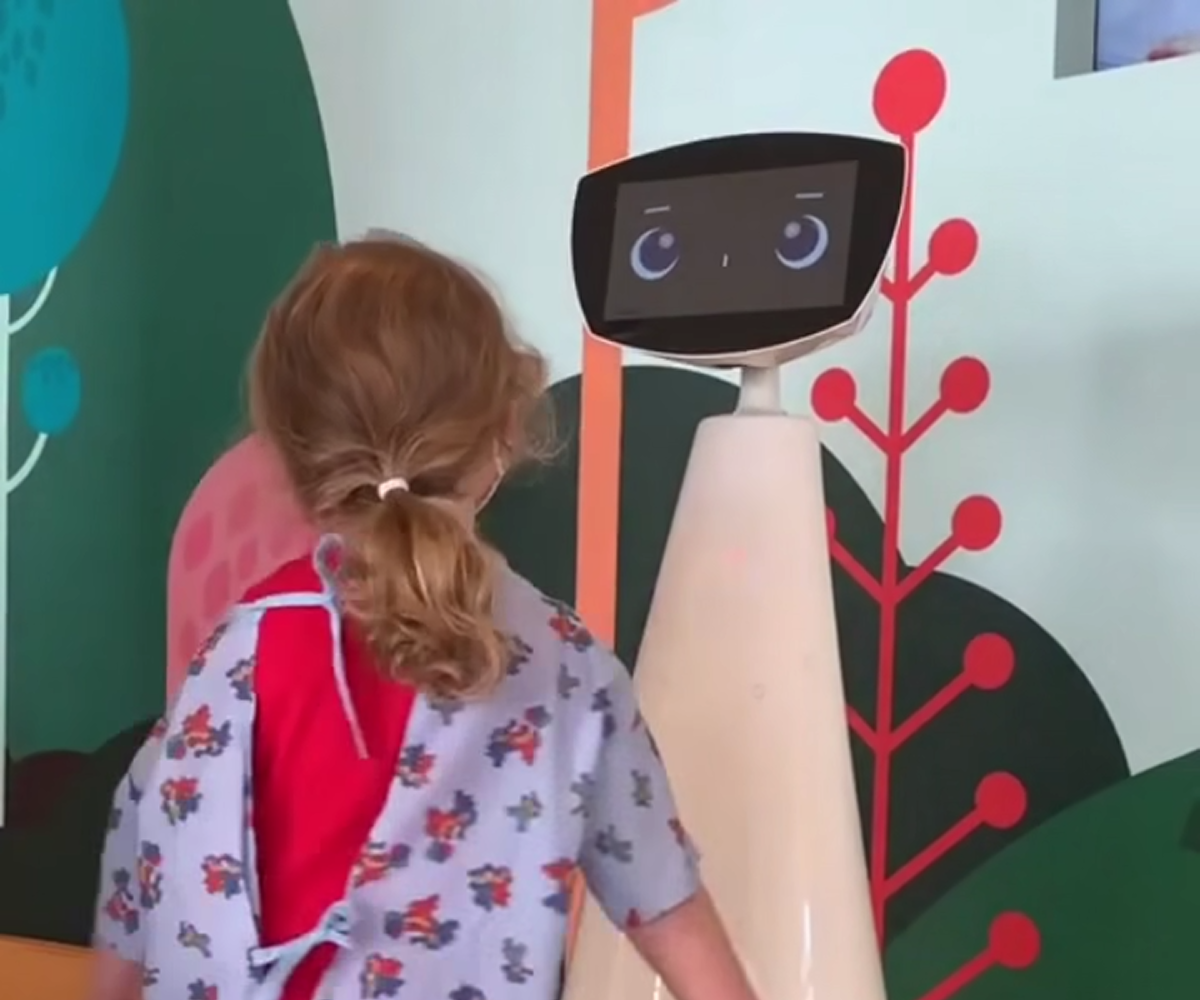
To test a different model, researchers introduced a social robot into a pediatric inpatient environment. The robot was designed to communicate, respond, and create a sense of presence. Instead of simply providing content, it enabled real interaction.
This shift from passive consumption to active engagement is crucial for understanding the differences in outcomes.
How Practitioners Used the Robot
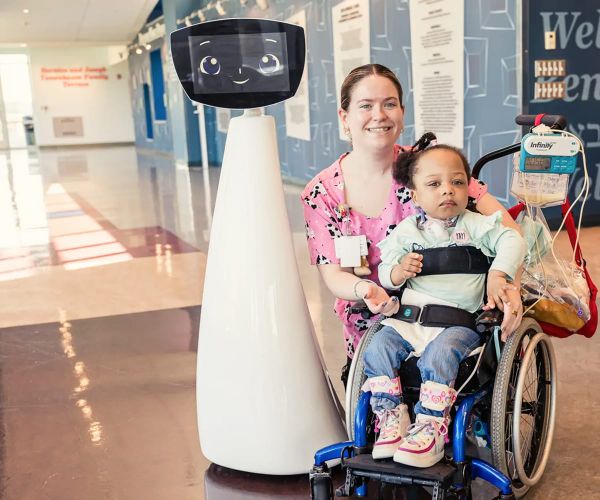
The robot worked directly with hospitalized kids. Child Life specialists often joined to help with the interaction.
As described in hospital coverage:
“The robot is helping to ease the anxiety of young patients at Mattel Children’s Hospital… learning technology helps them interact with pediatric patients.”
This reflects a key distinction. The robot serves as an interactive solution for hospital children, not just as entertainment. It becomes part of the care experience.
A Direct Comparison: Robot vs Tablet
The study did not evaluate the robot in isolation. Children were divided into groups interacting either with the robot or with a tablet. This created a direct tablet vs robot for hospitalized children comparison under similar conditions.
Because the baseline was a commonly used tool, the results are immediately relevant to real hospital decision-making.
What the Data Shows
The outcomes were measured using emotional response indicators.
Children who interacted with the robot showed a 29% increase in positive affect and a 33% decrease in negative affect. In contrast, children using tablets experienced a 43% decrease in positive affect.
Parental preference followed the same pattern. 90% preferred continued interaction with the robot, while 60% preferred tablets.
These findings establish a clear result. In this study, the robot compared to tablet pediatric care produced significantly stronger emotional outcomes.
Why the Difference Matters
The difference between robots and tablets is not simply technological. It reflects two fundamentally different types of interaction.
A tablet is static and screen-based. It delivers content but does not adapt. A social robot introduces responsiveness, presence, and a form of social interaction. The child is no longer just watching but engaging.
This changes the role of the tool. Instead of distraction, it becomes a form of emotional support. In clinical terms, it begins to function as a non-pharmacological intervention.
How Robin Creates Emotional Engagement in Practice
Beyond measured outcomes, real-world interactions show how Robin creates a fundamentally different experience for hospitalized children. As described by clinicians at UCLA, the robot provides “a near-human experience at a time where we're limited in having these relationships and companionships.”
Unlike passive tools, Robin enables children to take an active role in the interaction. In a hospital environment where control and autonomy are often limited, the robot allows children to guide the experience, ask questions, and even “be the experts” during the interaction.
The system also incorporates real-time emotional analysis, detecting facial expressions and responding to whether a child is happy, anxious, or distressed. This responsiveness allows interactions to adapt dynamically, something traditional screen-based tools cannot achieve.
In practice, this translates into observable behavioral changes. Clinicians reported that children were more engaged, more willing to participate in activities, and in some cases more likely to eat, move, and cooperate with care. These responses are directly aligned with the improved emotional outcomes observed in the study.
One example described a patient who repeatedly asked to see Robin, not for games or distraction, but simply for conversation and companionship. This reinforces a key distinction: the robot is not just an engagement tool, but a social presence within the care environment.
Implications for Hospitals
For hospitals considering alternatives to tablets in hospitals, this study raises a direct question about effectiveness. If the goal is to improve emotional outcomes and patient cooperation, passive tools may not be sufficient.
Interactive systems, particularly robotics, offer a different approach. When integrated with care teams, they can enhance how children experience hospitalization rather than simply distract them from it.
Take a look at this real-life hospital case study about Robotics in Pediatric Healthcare.
Conclusion
This case study provides clear evidence that social robots outperform tablets in pediatric engagement. The improvement is not marginal. It reflects a shift from passive interaction to responsive engagement.
The data shows measurable emotional benefits. It highlights strong parental preference and a clear edge over current tools. For hospitals evaluating how to improve pediatric care, this comparison is difficult to ignore.